Intensityovalex Labs Logo

Intensityovalex Labs

Built From Real Celebrations

We started decorating weddings in 2019 because someone asked us to help with their cousin's event. Six years later, we're still figuring out how to make spaces feel genuinely special without following the same tired playbook everyone else uses.

From One Wedding to Three Hundred

Back in 2019, we didn't have a business plan or a portfolio. What we had was a friend who needed help transforming a community hall into something that didn't look like a community hall. We spent two days draping fabric, testing lighting angles, and moving furniture around until it felt right.

The thing that surprised us wasn't how good it looked—it was watching guests walk in and actually stop. Not the polite "this is nice" reaction, but genuine surprise. That feeling stuck with us more than we expected.

By 2021, we'd decorated forty-something events and learned what textbooks don't teach you: fabric behaves differently in humid weather, color temperatures change how people photograph, and families care more about flow than symmetry. These aren't revolutionary insights—they're just the reality of doing this work repeatedly until patterns emerge.

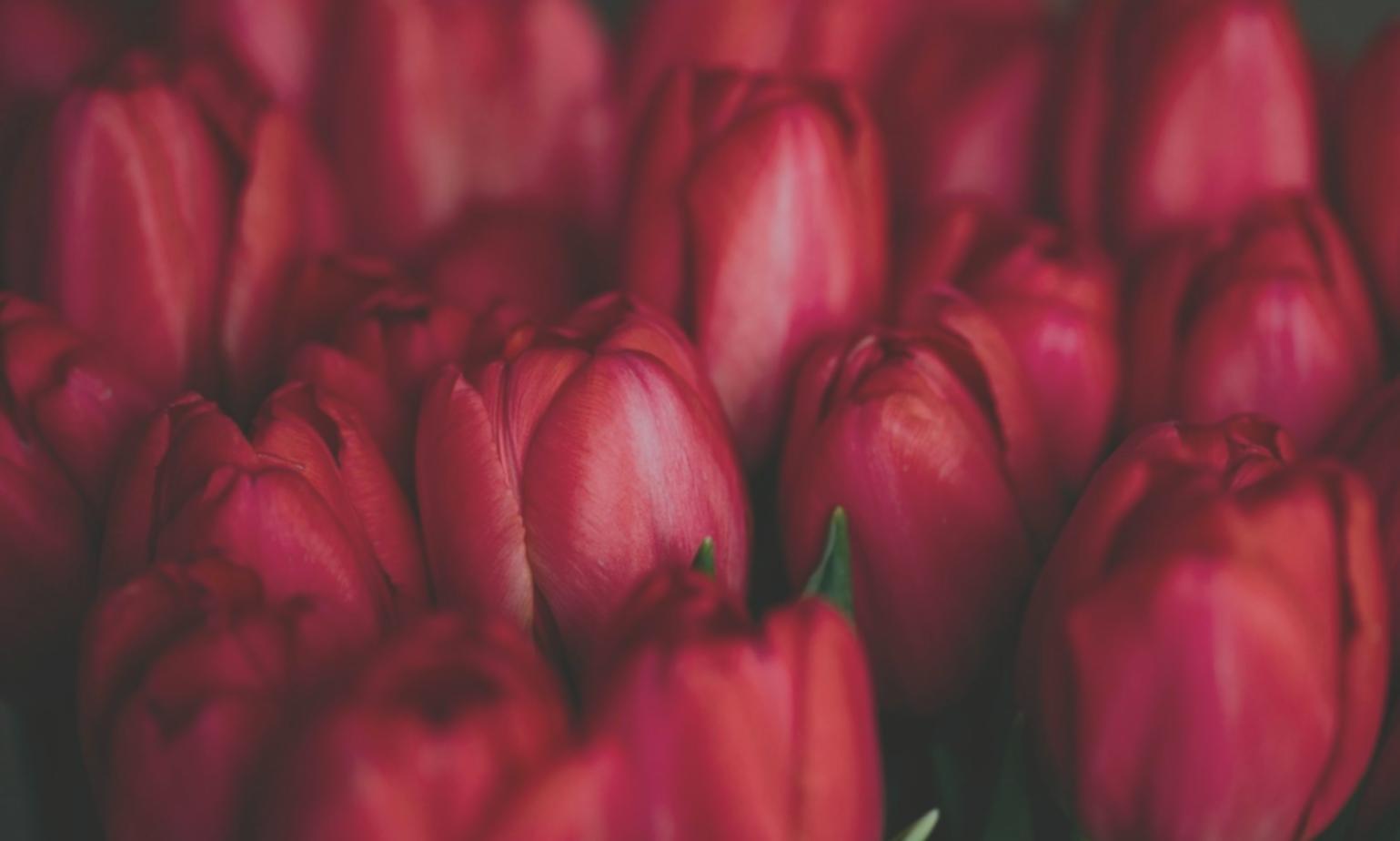
Wedding decoration setup showcasing elegant fabric draping and ambient lighting design

What We Actually Do Differently

Most decoration companies show you a catalog and ask which package you want. We don't work that way—not because we're trying to be difficult, but because venues have different ceiling heights and families have different priorities.

01

Space Assessment First

We visit your venue before proposing anything. Not for measurements—for understanding how light moves through windows, where guests naturally congregate, and what architectural features we can work with instead of covering up. This takes three hours but saves days of revision.

02

Modular Design Systems

Instead of fixed packages, we build from components that adapt. A ceiling installation might work beautifully in one venue but feel cramped in another. Our approach lets us adjust scale and density based on what the space actually needs, not what looks good in portfolio photos.

03

Color Temperature Planning

Most decorators pick colors based on fabric samples under fluorescent lights. We test combinations under the actual lighting conditions of your venue—including how they'll photograph during different parts of the event. This matters more than people realize until they see their photos.

Esmeray Tahmazova, Creative Director at Intensityovalex Labs

Esmeray Tahmazova

Creative Director

9 Fikrət Əmirov, Bakı

+994552941288

support@chronclei.it.com

Why We Keep Doing This Work

I studied interior architecture, which gave me technical skills but didn't prepare me for the emotional weight of wedding decoration. You're not just arranging pretty things—you're creating the backdrop for moments people will reference for decades. That responsibility feels heavier than any design brief I handled in commercial projects.

The challenge that keeps this interesting is scale. A 50-person dinner requires completely different thinking than a 250-person reception. You can't just multiply quantities—flow patterns change, sight lines shift, and what feels intimate becomes overwhelming. We've spent years developing approaches that adapt rather than just scale.

Our team has grown to twelve people who've collectively decorated over 300 events across Baku and surrounding regions. We're not the biggest operation, but we've built systems that work reliably even when venues throw unexpected challenges at us—which happens more often than you'd think.

Looking ahead to late 2025 and into 2026, we're exploring more sustainable material options that don't compromise visual impact. Not because it's trendy, but because we're tired of generating waste for single-day events. The solutions we're testing might extend setup time slightly, but they feel more aligned with how we want to operate long-term.